
Custom suits often occupy a fascinating place in menswear. To some buyers, they represent luxury. To others, they are a practical wardrobe investment. Yet one of the most common questions remains the same: why do custom suit prices vary so much?
A buyer may receive one quote that seems surprisingly affordable and another that is several times higher, even when both businesses promise a “custom suit.” Online photos may look similar, fabrics may appear comparable, and marketing language may sound almost identical. But beneath the surface, price differences often reflect major variations in materials, construction, craftsmanship, fit process, service, and long-term value.
Understanding what affects custom suit pricing helps buyers make smarter decisions. Instead of comparing only headline numbers, you can evaluate what you are truly receiving for your money.This guide breaks down the main factors that influence custom suit pricing, where paying more can be worthwhile, and how to choose wisely for your needs.
Why Custom Suit Prices Vary So Much
The phrase “custom suit” can describe very different products.
It May Include:
- Made-to-measure garments using adjusted standard patterns
- Fully bespoke garments with unique paper patterns
- Different levels of canvas construction
- Different fitting stages
- Entry-level fabrics or premium heritage mills
- Machine-heavy production or more hand-finishing
- Basic styling or highly personalized details
Two suits may both be called custom, yet the production process behind them can be entirely different.
1. Fabric Quality
Fabric is one of the biggest contributors to price.
A suit is worn on the body all day. The cloth influences:
- Comfort
- Breathability
- Drape
- Durability
- Wrinkle resistance
- Appearance under light
- How it ages over time
Typical Fabric Tiers
| Tier | Common Characteristics |
| Entry Level | Functional blends, basic finish |
| Mid Range | Reliable wool fabrics, versatile wear |
| Premium | Better mills, richer hand feel |
| Luxury | Heritage mills, exceptional finish, rare fibers |
Why Better Fabric Costs More
Higher-end mills often invest in:
- Better raw fibers
- Superior spinning and weaving
- More consistent finishing
- Stronger quality control
- Greater durability or softness
Cheap cloth may look acceptable initially but lose shape faster.
2. Wool vs Blends vs Luxury Fibers
Fiber content also affects pricing.
Common Suit Fibers
| Fiber | Pricing Influence | Notes |
| Wool | Standard benchmark | Best all-rounder |
| Wool Blend | Often lower-mid | May include stretch or synthetics |
| Linen | Moderate to premium | Great for warm climates |
| Cashmere Blend | Higher | Softer hand feel |
| Mohair Blend | Higher | Crisp structure |
| Silk Blend | Premium | Luxurious sheen |
Pure marketing labels matter less than whether the cloth suits your lifestyle.
3. Construction Method
The internal structure of a jacket significantly affects price.
Main Construction Types
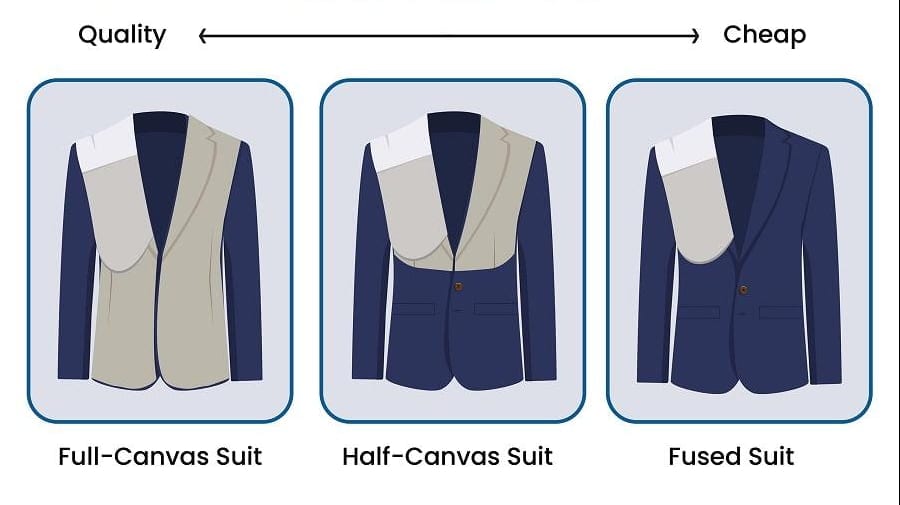
| Type | Description |
| Fused | Adhesive layer bonds fabric |
| Half Canvas | Canvas in chest/lapel area |
| Full Canvas | Canvas throughout front panel |
Why It Matters
Canvas helps the jacket mold over time, maintain shape, and drape naturally.
Pricing Trend
Generally:
Fused < Half Canvas < Full Canvas
That said, excellent fit in half canvas can outperform poor fit in full canvas.
4. Bespoke vs Made-to-Measure
This distinction is major.
Made-to-Measure
Uses a base pattern adjusted to your measurements.
Bespoke
Creates an individual pattern for your body and posture.
Why Bespoke Costs More
- Unique drafting
- More labor time
- Multiple fittings
- Greater precision potential
- Pattern retained for future use
For some bodies, made-to-measure is sufficient. For others, bespoke offers meaningful advantages.
5. Number of Fittings Included
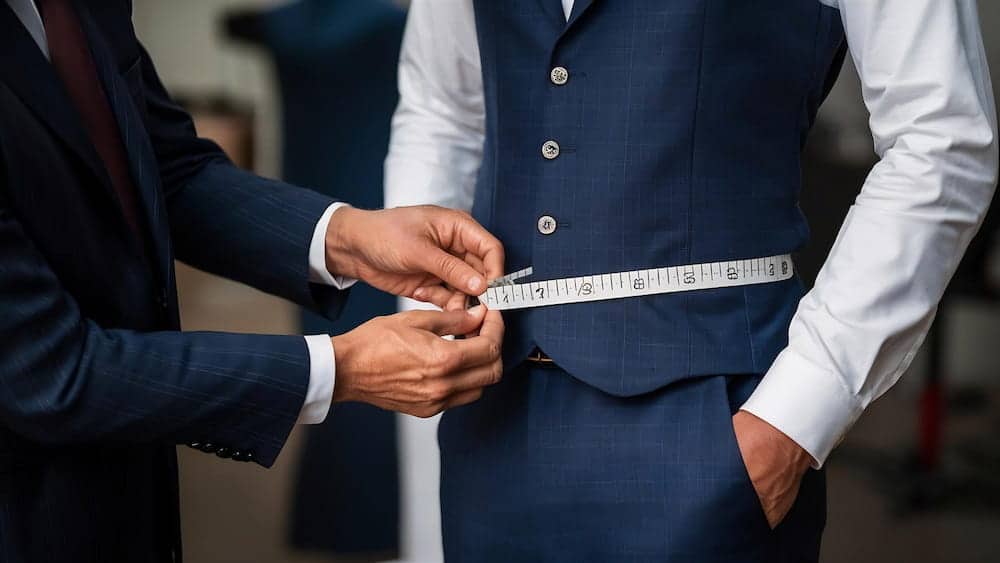
Fittings are where real tailoring value emerges.
Typical Models
| Process | Number of Fittings |
| Basic MTM | 1 fitting |
| Premium MTM | 2 fittings |
| Bespoke | 2–5+ fittings |
Why Fittings Matter
They allow correction of:
- Shoulder balance
- Sleeve pitch
- Trouser hang
- Waist suppression
- Collar fit
- Personal style preferences
A cheaper suit with no fitting flexibility may become expensive if never worn.
6. Labor and Craftsmanship
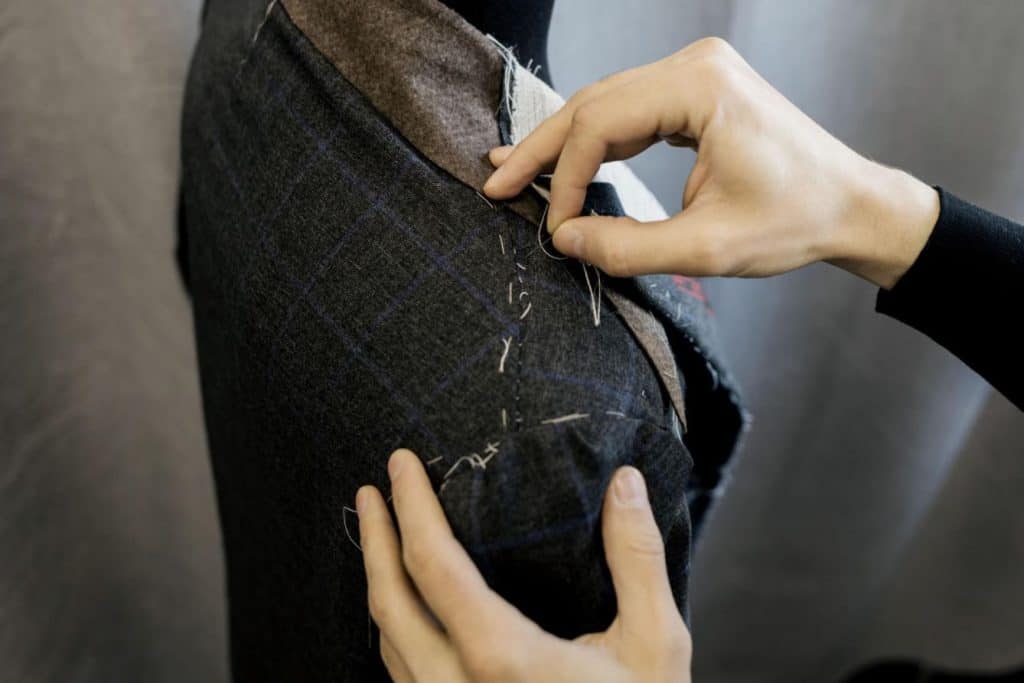
Some tailoring houses rely heavily on factory systems. Others incorporate more skilled handwork.
Labor Elements That Increase Cost
- Hand-set sleeves
- Hand-sewn buttonholes
- Pattern matching checks/stripes
- Hand-padded lapels
- Careful pressing stages
- Skilled finishing work
These details can improve feel, elegance, and longevity.
7. Tailor Experience and Reputation
Experience has value.
You are often paying for judgment built over years:
- Knowing how cloth behaves
- Understanding body posture
- Recommending flattering cuts
- Preventing fit mistakes
- Consistency across orders
A highly experienced tailor may save you money by getting things right earlier.
8. Complexity of Your Body Shape
Not every client fits standard proportions.
Examples That Require More Work
- One shoulder lower than the other
- Rounded posture
- Athletic chest with narrow waist
- Larger seat and slim calves
- Significant asymmetry left vs right
Complex bodies need more pattern corrections and fitting time.
9. Styling Details and Customization
Extra design requests can affect price.
Common Add-Ons
- Three-piece waistcoat
- Additional trousers
- Peak lapels
- Working cuff buttons
- Contrast lining
- Ticket pockets
- Monogramming
- Hand pick-stitching
Example
| Option | Likely Price Effect |
| Extra trousers | Moderate |
| Waistcoat | Moderate-High |
| Premium lining | Low-Moderate |
| Hand details | Moderate |
10. Country, City, and Operating Costs
Pricing varies by geography.
Factors include:
- Rent
- Skilled labor cost
- Taxes
- Brand positioning
- Tourism demand
- Market competition
A tailor in one city may charge differently from another even with similar quality.
11. Service Experience
Some buyers focus only on the suit itself, but service also has value.
Premium Service Might Include
- In-depth consultation
- Style guidance
- Fabric education
- Rush support
- Easy reorders
- Long-term relationship management
- Alteration follow-up
This can matter greatly for busy professionals.
12. Turnaround Time
Rush orders may increase cost.
Why?
- Prioritised scheduling
- Overtime labor
- Faster logistics
- Reduced batching efficiency
If time allows, standard timelines usually offer better value.
Price vs Value: A Smarter Lens
The cheapest suit is not always cheapest in practice.
Cost-Per-Wear Example
| Suit | Price | Wears | Cost Per Wear |
| Cheap poor fit | THB 10,950 ($300) | 6 | THB 1,825 ($50) |
| Good mid-range custom | THB 29,200 ($800) | 80 | THB 365 ($10) |
| Premium favorite suit | THB 54,750 ($1500) | 180 | THB 304 ($8.33) |
The suit you love wearing often becomes the best value.
Where Paying More Usually Makes Sense
Worthwhile Upgrades
- Better core wool fabric
- More fittings
- Stronger construction
- Timeless cut guidance
- Extra trousers for heavy use
- Tailor with consistent reputation
Less Critical Upgrades
- Excess novelty lining
- Trend details
- Overly flashy customizations
- Prestige labels alone
Common Buyer Mistakes
1. Comparing Only Price
Without understanding construction and process.
2. Overspending on Fabric, Ignoring Fit
Fit usually matters more than cloth prestige.
3. Chasing Trends
Extreme slimness or exaggerated lapels date quickly.
4. Buying One “Special Occasion” Suit Only
Many people benefit more from versatile navy or charcoal first.
5. Ignoring Climate
Heavy cloth in hot cities may rarely be worn.
How to Shop Smartly for a Custom Suit
Ask these questions:
- Is this fused, half canvas, or full canvas?
- How many fittings are included?
- What fabric composition is this?
- How long is turnaround time?
- Can future alterations be done?
- What style would suit my body and usage?
- Is a second trouser recommended?
These questions reveal real value quickly.
First-Time Buyer Strategy
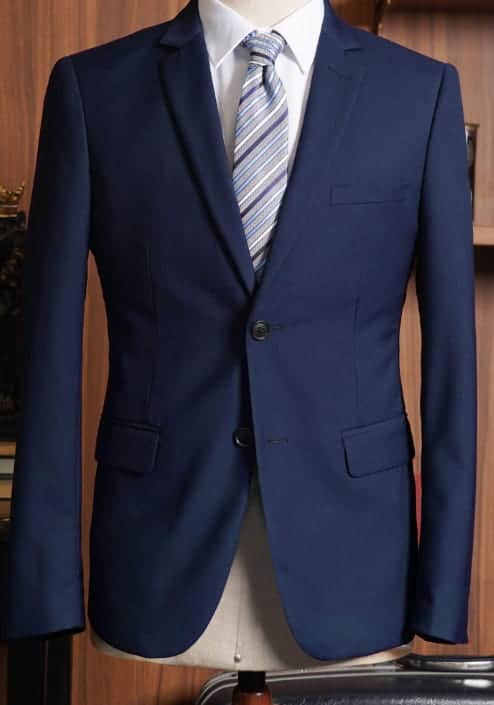
If buying your first custom suit:
Prioritise
- Navy or charcoal
- Midweight wool
- Classic notch lapel
- Comfortable fit
- Reliable tailor relationship
Avoid
- Loud patterns
- Extreme cuts
- Overcomplicated styling
- Buying solely by cheapest quote
Why Good Tailoring Saves Money Long-Term
A strong custom suit can reduce wasteful purchases.
Instead of owning multiple mediocre garments, one versatile suit may cover:
- Interviews
- Office wear
- Weddings
- Events
- Smart dinners
- Travel meetings
That flexibility creates hidden value.
Conclusion
Custom suit pricing reflects much more than cloth and measurements. It includes craftsmanship, pattern work, fit refinement, construction quality, service, and how well the final garment integrates into your life. Buyers who focus on long-term usefulness often make better decisions than those chasing the lowest initial quote. In Bangkok, Jesse and Son is known for helping clients navigate these decisions through personalized tailoring guidance and wardrobe planning. If you are searching for the best suit tailor in Bangkok experience, understanding what truly drives pricing is the smartest place to begin.
FAQ
1. Why do custom suit prices vary so much?
Because fabric, construction, labor, fit process, and service levels can differ dramatically.
2. Is full canvas always worth it?
Often for frequent wearers, but fit still matters more than labels alone.
3. Is bespoke better than made-to-measure?
It can be, especially for complex body shapes or buyers wanting maximum precision.
4. Should I buy expensive fabric first?
Usually prioritize fit and versatile cloth before prestige fabrics.
5. How many fittings should I expect?
Anywhere from 1 to 5+, depending on the tailoring model.
6. Is a second trouser worth it?
Yes, especially for business suits worn regularly.
7. Can cheaper custom suits still be good?
Yes, if fit, fabric choice, and service are handled well.
8. What is the best first custom suit color?
Navy is usually the most versatile starting point.